

How to Apply for a UK Tourist Visa (Visit Visa) in 2025: Step-by-Step Guide
Planning to visit the UK as a tourist? Learn how to apply for a UK tourist visa, required documents, and how to avoid refusal. Fast, easy, and stress-free.

Who needs a UK tourist visa?
The UK Standard Visitor Visa — commonly called the UK tourist visa — is required for most non-visa-exempt nationals travelling to the UK for tourism, family visits, or other short-term activities. Nationals from countries such as the USA, Canada, Australia, and EU member states are generally visa-exempt and can enter without applying in advance.
What can you do on a UK visitor visa?
A Standard Visitor Visa allows you to:
- Visit family or friends
- Travel as a tourist
- Attend a conference, business meeting, or interview
- Receive private medical treatment
- Get married or register a civil partnership (but not settle in the UK)
- Take a short-term study course of up to 30 days
You cannot work, claim public funds, or extend your stay beyond 6 months on a standard visitor visa.
Step-by-step: How to apply
Step 1: Check your eligibility
Before applying, confirm that you need a visa and that a Standard Visitor Visa is the right category for your purpose of travel. Applying under the wrong visa category is a common cause of refusal.
Step 2: Gather your documents
Preparing strong supporting documents is the most important part of your application. You will typically need:
- A valid passport (with at least 6 months' validity)
- Bank statements from the last 3–6 months
- Proof of employment (payslips, employment letter, or business registration)
- Evidence of your reason for visiting (invitation letter, event details, hotel bookings)
- Return flight booking or travel itinerary
- Proof of accommodation in the UK
- Evidence of ties to your home country (see below)
Step 3: Complete the online application
All UK visa applications are completed online via the official UKVI portal. Take your time and answer every question accurately. Pay particular attention to:
- Travel history — include all countries visited, even if you are unsure of exact dates (state this clearly)
- Previous visa refusals — always declare these honestly
- Purpose of visit — be specific and consistent with your supporting documents
Incomplete or inconsistent applications are one of the leading causes of refusal. If you cannot recall exact dates, note this in your application rather than leaving fields blank or guessing.
Step 4: Pay the application fee
The current fee for a Standard Visitor Visa is £115 for a visit of up to 6 months. Longer-duration visas (2, 5, or 10 years) are also available at higher fees. Fees are paid online at the time of application and are non-refundable even if your application is refused.
Step 5: Book and attend your biometrics appointment
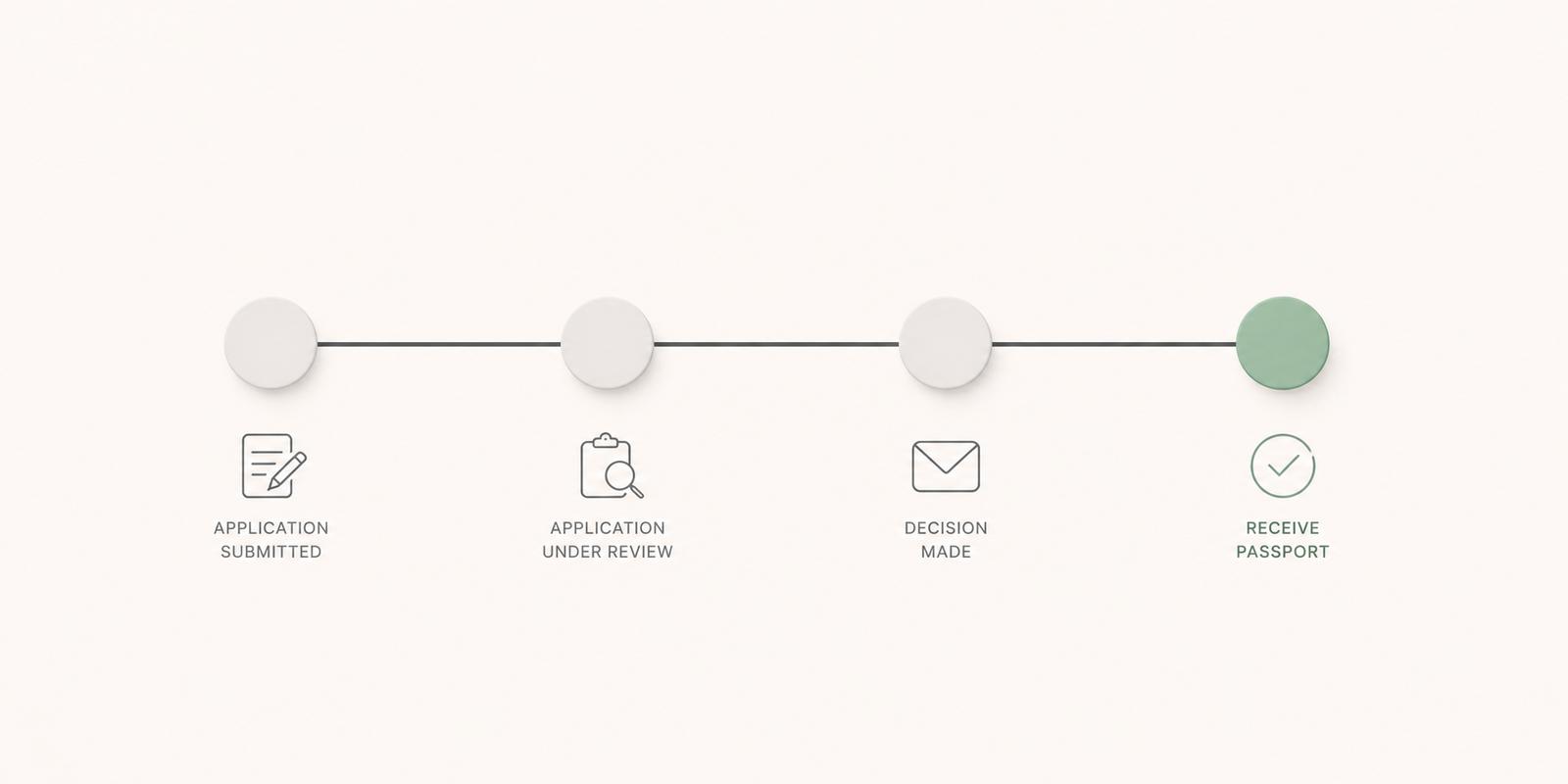
Once your application is submitted and the fee is paid, you will need to book an appointment at your nearest Visa Application Centre (VAC) to provide your fingerprints and photograph. Processing time officially starts from the date of your biometrics appointment, not your online submission date — a common source of confusion.
Step 6: Wait for a decision
After your biometrics appointment, your application is sent to UKVI for review. You will receive your decision by email, followed by your passport with a visa vignette (or an eVisa confirmation, as the UK transitions to digital immigration status in 2025).
Processing times and service options
| Service Type | Typical Processing Time | Notes |
|---|---|---|
| Standard | 15 working days (~3 weeks) | From the date of biometrics |
| Priority | 5–7 working days | Extra cost; not available at all VACs |
| Super Priority | 1 working day | High cost; limited availability |
We recommend applying at least 6–8 weeks before your travel date to allow time for delays or to reapply if needed. For real applicant timelines, check our UK Visa Processing Times Tool.
Common reasons for refusal — and how to avoid them
1. Lack of ties to your home country
A visitor visa is granted on the basis that you will return home after your trip. It is your responsibility to prove this. Strong evidence of ties to your home country includes:
- Family: A partner, children, or parents living in your home country. Include evidence of who they are.
- Employment or business: A stable job or your own business. Provide payslips, an employment letter, or company registration documents.
- Assets: Property, land, or other financial assets. Title deeds or valuation documents can strengthen your case significantly.
2. Incorrect or incomplete application
Errors on your application — even unintentional ones — can lead a caseworker to doubt your credibility. Always double-check every section before submitting. If you are unsure of specific details (such as exact travel dates or a previous refusal date), say so explicitly in your application rather than guessing or omitting the information. Also ensure all required documents are uploaded; the Home Office is not obliged to contact you for missing evidence and may refuse on that basis alone.
3. Previous immigration violations
If you have previously overstayed a visa, been deported, or otherwise breached immigration conditions in the UK or abroad, you must declare this. The impact on your application depends on the circumstances — a minor overstay with a valid explanation may be accepted, while more serious violations can result in an outright refusal. Honesty is always the best approach; failing to disclose will cause far greater damage if discovered.
4. Unclear purpose of visit
You must clearly explain and evidence what you plan to do in the UK. Vague or unsupported reasons for visiting are a common ground for refusal. Ensure your stated purpose is consistent across your application, cover letter, and supporting documents — and confirm that your planned activities are permitted under a visitor visa.
5. Limited travel history
A strong travel history — particularly to countries that required a visa — works in your favour, as it demonstrates you have consistently complied with immigration conditions. Limited travel history won't automatically harm your application, but it may require you to provide stronger evidence of your intent to return home.
6. False or misleading information
Providing false documents or dishonest information will almost certainly result in a refusal and may result in a ban from future applications. Deception severely undermines your credibility as an applicant and will affect any visa applications you make in the future. There is very little that can be done to overturn a refusal on grounds of deception.
Tips for a successful application
- Apply at least 6–8 weeks before your travel date
- Be specific and honest about the purpose of your visit
- Ensure your bank statements and employment evidence are consistent
- Include a clear, well-written cover letter explaining your circumstances
- Organise and clearly label all supporting documents
- Translate all non-English documents into English
- Declare any previous refusals or immigration issues honestly
Related articles







Ready to start your journey?
Talk to our team about your route, or see how we keep sponsor-licence records audit-ready.
Leave a comment